
Ozone Oxidation
Powerful Oxidation and Disinfection Using Nature’s Strongest Oxidizing Gas
What is Ozone Oxidation?
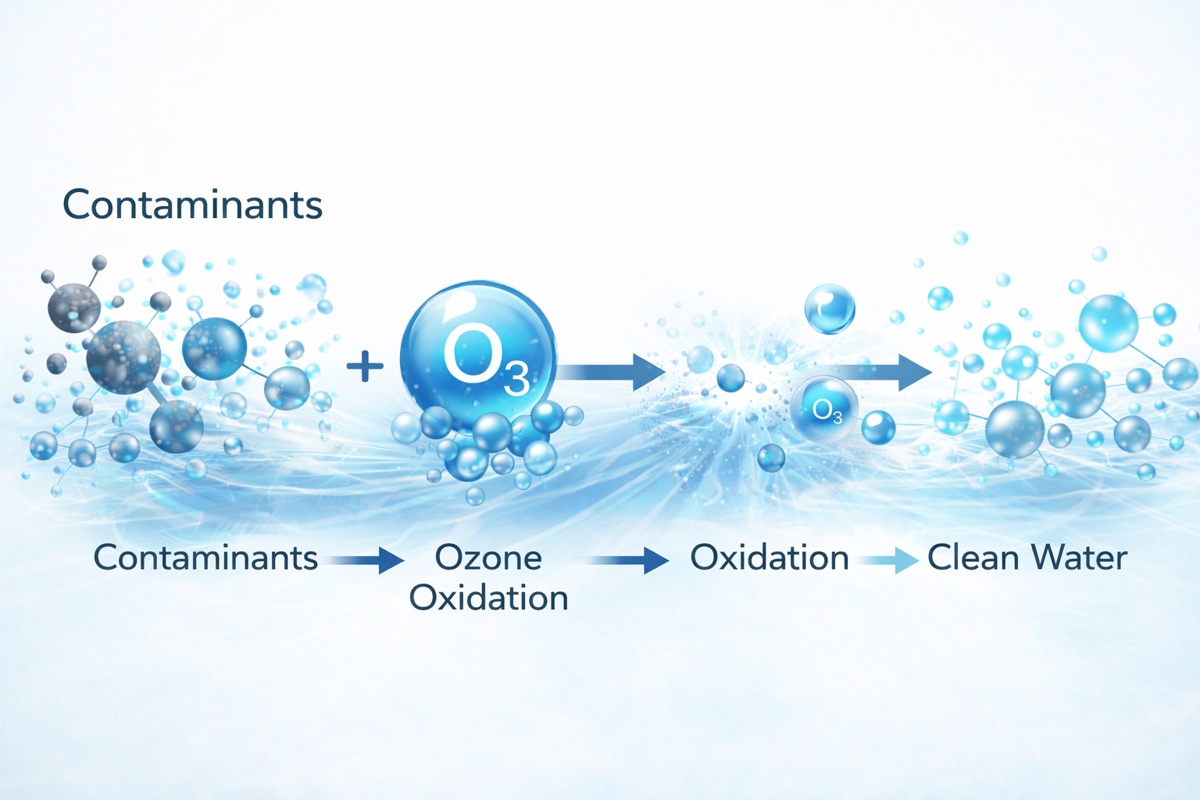
Ozone (O₃) is one of nature’s most powerful oxidizing agents, with an oxidation potential of 2.07V — significantly stronger than chlorine. In water treatment, ozone is generated on-site and dissolved into the water stream, where it rapidly breaks down organic pollutants, eliminates bacteria and viruses, removes color and odor, and oxidizes dissolved metals.
After completing its oxidation work, ozone naturally decomposes back into oxygen (O₂), leaving no chemical residuals in the treated water. This makes ozone treatment both highly effective and environmentally responsible.
How it Works

Step 1
Oxygen Supply
Ambient air is drawn in and processed through a PSA (Pressure Swing Adsorption) oxygen generator to produce high-purity oxygen at 92±2% concentration. This oxygen serves as the feed gas for ozone generation.

Step 2
Ozone Generation
The purified oxygen passes through the ozone generator where high-voltage corona discharge converts O₂ molecules into O₃ (ozone). Aquahelix ozone generators produce concentrations of up to 105 mg/L with outputs ranging from 1 to 300 g/h.

Step 3
Injection & Mixing
Ozone gas is injected into the water stream through a venturi injector or diffuser system and mixed thoroughly using pipeline static mixers, ensuring complete dissolution and contact with contaminants.

Step 4
Oxidation & Decomposition
Once dissolved, ozone attacks and breaks down organic molecules, pathogens, color compounds, and odor-causing substances. After treatment, residual ozone naturally decomposes to oxygen, and any excess is neutralized by an ozone destruct unit before discharge
KEY ADVANTAGES
Advantage |
Description |
|---|---|
|
Superior Oxidation Power |
At 2.07V, ozone is approximately 1.5 times stronger than chlorine as an oxidizer, capable of breaking down complex organic compounds. |
|
Broad-Spectrum Disinfection |
Effective against bacteria, viruses, spores, and cysts — including organisms resistant to conventional chlorination. |
|
Color & Odor Removal |
Ozone rapidly oxidizes color-causing compounds and eliminates unpleasant odors from water and wastewater. |
|
No Chemical Residuals |
Ozone naturally decomposes to oxygen after treatment, leaving no harmful residues or byproducts in the water. |
|
On-Site Generation |
Ozone is produced on demand at the point of use, eliminating the need for chemical storage, transport, and handling. |
|
Reduced Sludge Production |
Ozone oxidation can reduce the formation of excess sludge in wastewater treatment processes. |
Complete Ozone System Components

PSA Oxygen Generator — produces feed gas at 92±2% purity (5–90 L/min output)
Ozone Generator — corona discharge units producing 1–300 g/h ozone output
Venturi Injector — dissolves ozone gas into the water stream
Pipeline Static Mixer — ensures thorough ozone-water contact
Ozone Monitor — measures dissolved ozone concentration in real time
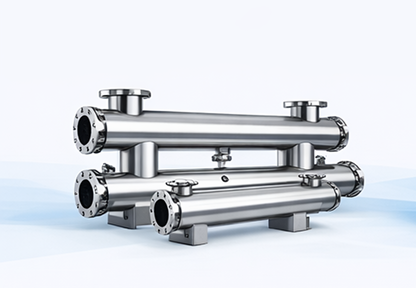
Ozone Destruct Unit — neutralizes excess ozone before atmospheric discharge
Check Valve — prevents water backflow into the ozone generator
Application
Related Product
Ozone Generators — B3 Series (5–300 g/h)
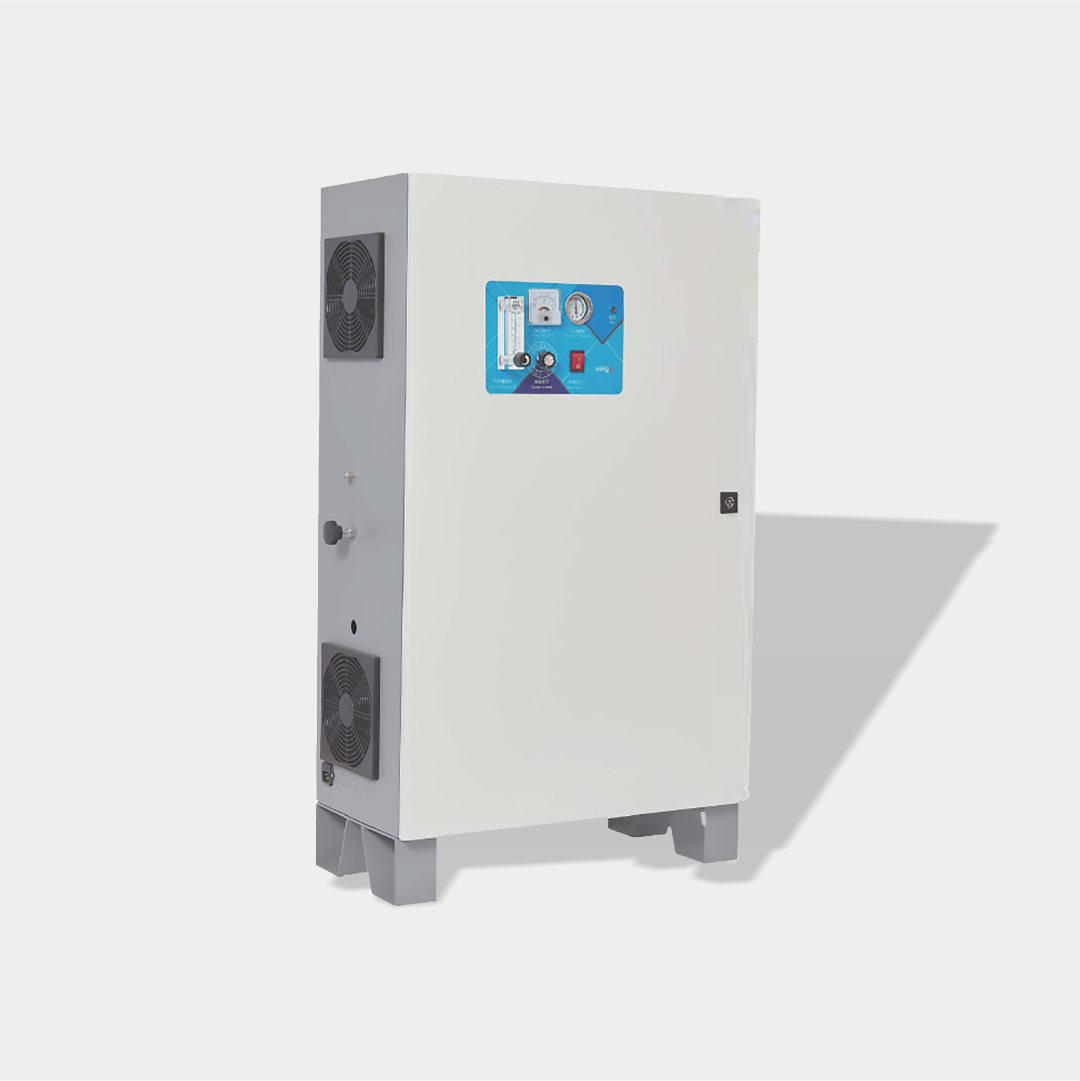
Micro Ozone Integrated Machines (1–5 g/h)
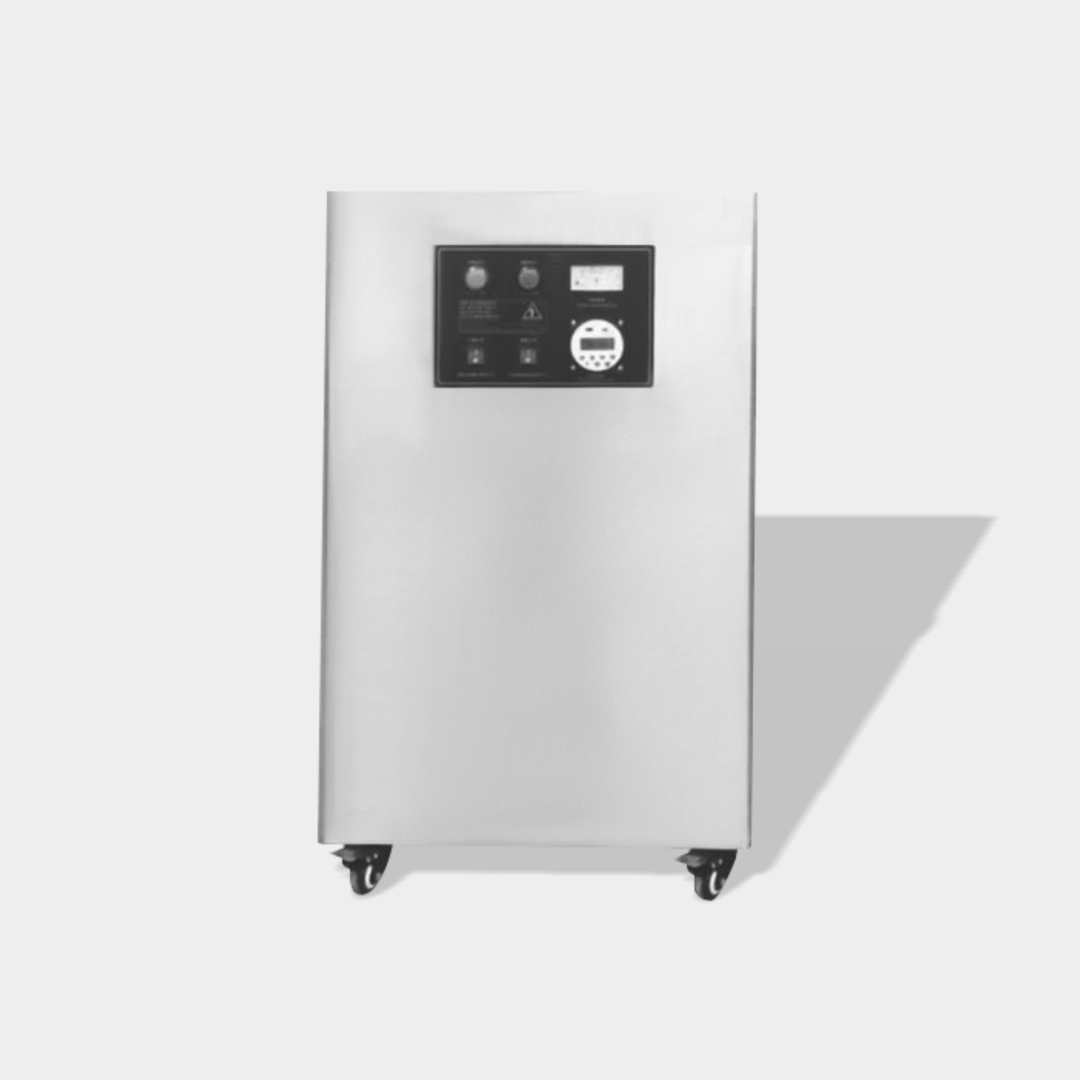
PSA Oxygen Generators (5–90 L/min)
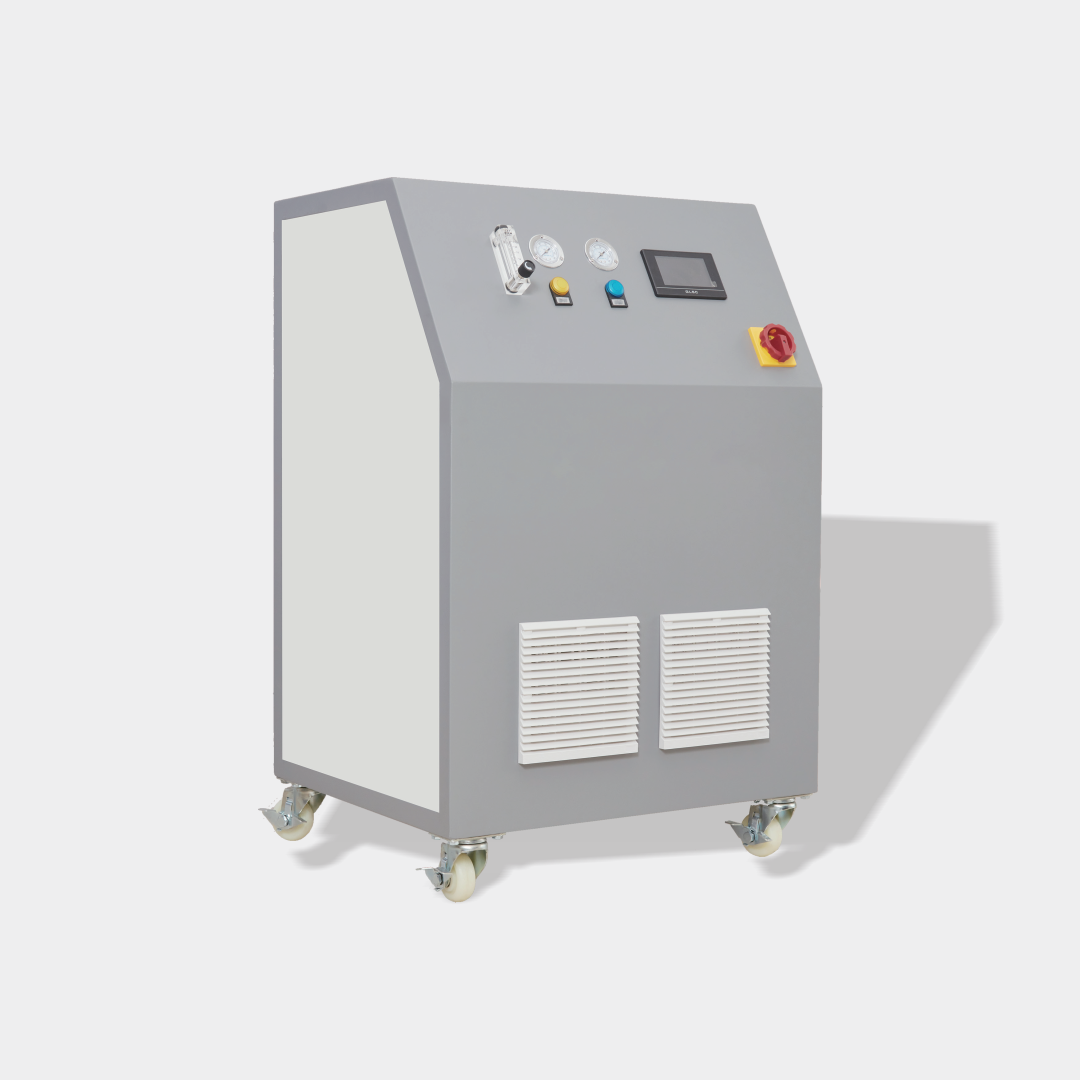
Spare Parts
ozone injectors, monitors, destroyers, pipeline mixers, check valves
Looking for an Ozone Treatment Solution?
Contact us to discuss your water quality challenges and let our team design the right ozone system for your facility.